KRISTEN
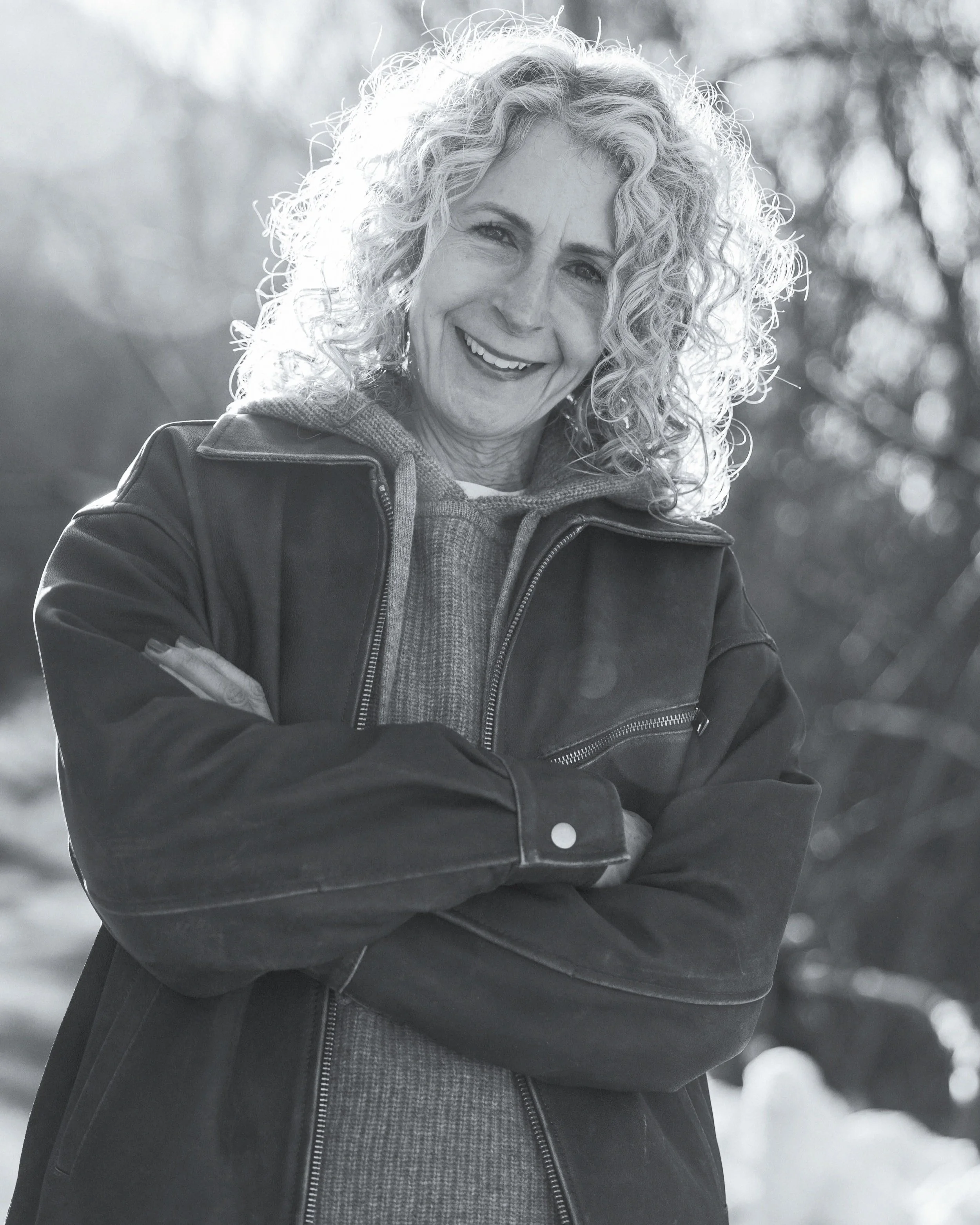
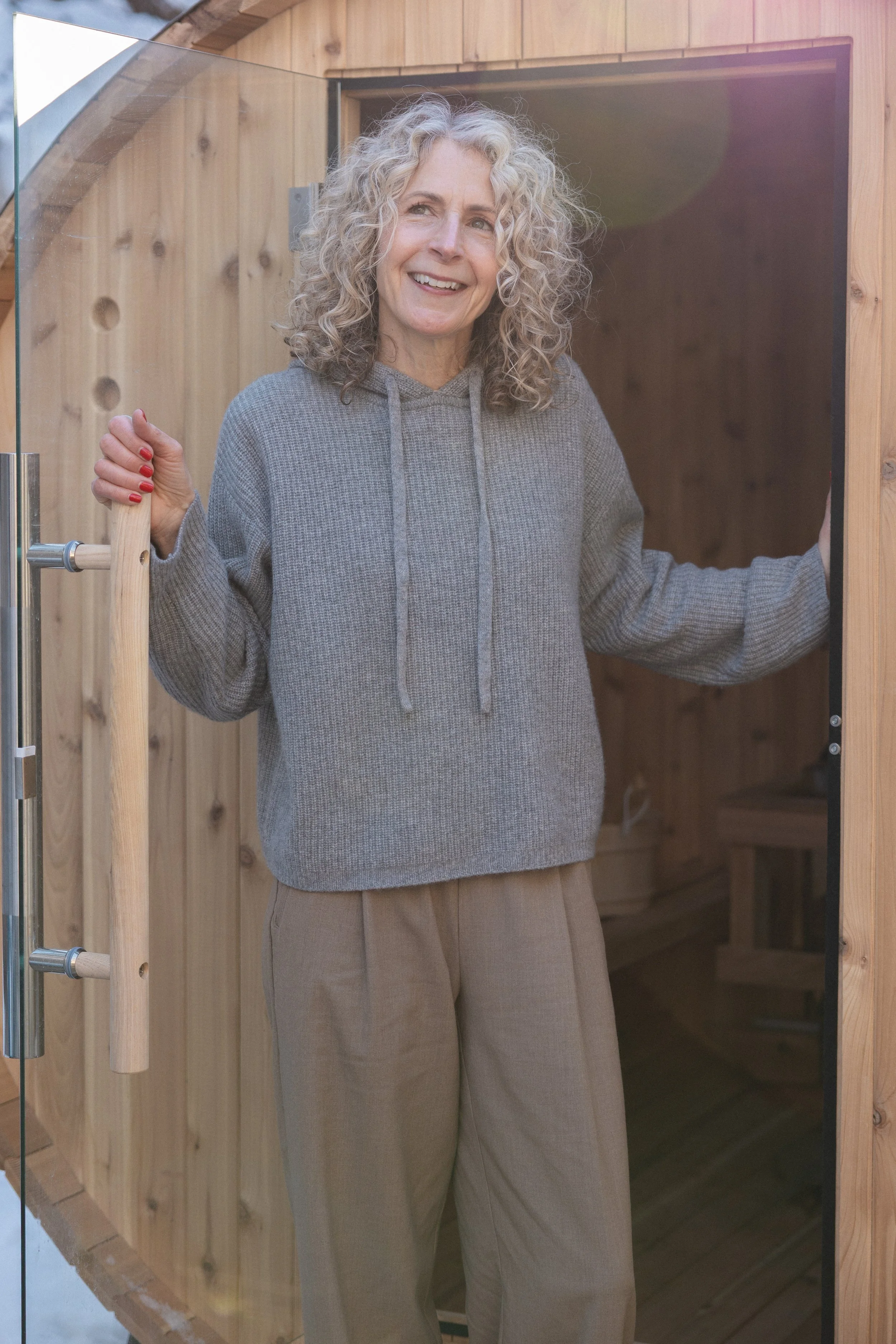
I'm Kristen Cain.
I lived in Salt Lake City for a little over 2 years. Ohio born. Then Philly suburbs. Then a decade in Boulder, CO. Graduated from college in Delaware in 1987. I've been married almost 30 years. I have three adult (26, 24, 22) kids who all live in SLC also! It's the best! I've been in menopause for about 6 years. I'm a style and mindset coach. I help women change their relationship with personal style by showing them how their thoughts and feelings create the struggles they have with their wardrobe.
When did you first notice signs of perimenopause, and what were the earliest symptoms you experienced?
I was about 42 when I started noticing changes in my hormones. I was tired and anxious and lacking energy. My sex drive was quite low. My periods were very heavy and uncomfortable. I was having trouble sleeping. Overall, I just didn't feel good.
How have hormonal changes impacted your mood, sleep, mental clarity, libido, or relationships?
I wasn't aware that the symptoms beyond period changes were hormone related. I thought I was just a worn out mom of three. I experienced brain fog and general lack of energy. I didn't feel vibrant. I had very little interest in sex even though it had always been a positive part of my marriage.
What has helped you feel strong or grounded during this journey?
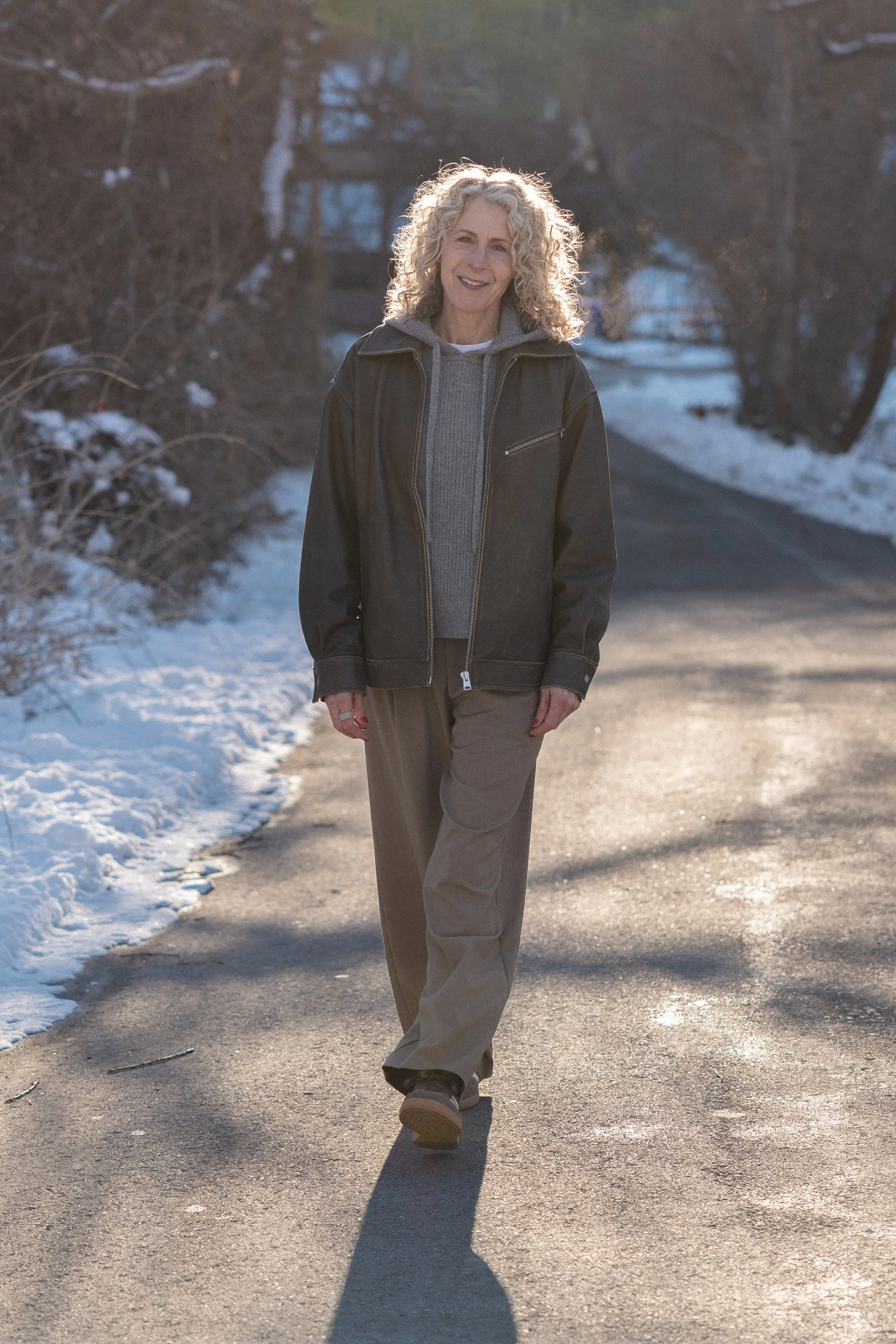
In 2007, I went to a functional medicine doctor because I was experiencing hair loss. I'd gone to several doctors prior and no one had any answers. I was frustrated and scared. I finally chose a functional medicine doctor even though it was a large out-of-pocket expense. He tested everything, including all hormones. He quickly discovered that my progesterone and testosterone were rock bottom. Numbers so low that the doctor told my husband at the appointment to go over my labs, that if I ever had sex with him, he should consider himself lucky because I basically had zero testosterone/desire. He prescribed compounded progesterone capsules at night for sleep and anxiety. And he gave me my first testosterone pellet injection. Within one week, my husband taped a note to our bathroom mirror: "Things that are different about you... your smile, your eyes, your mood, your walk, your energy." Needless to say, I cried. I could feel it too. I felt alive again. Around that same time, I started meditating regularly. Short, guided meditations on Headspace. There weren't really any podcasts or YouTube videos about the subject yet. Or at least I wasn't using those platforms to gather info. I did read Suzanne Sommers' books "I'm Too Young for This!" and "Ageless: The Naked Truth About Bioidentical Hormones".
How has your identity—how you see yourself—shifted during this phase
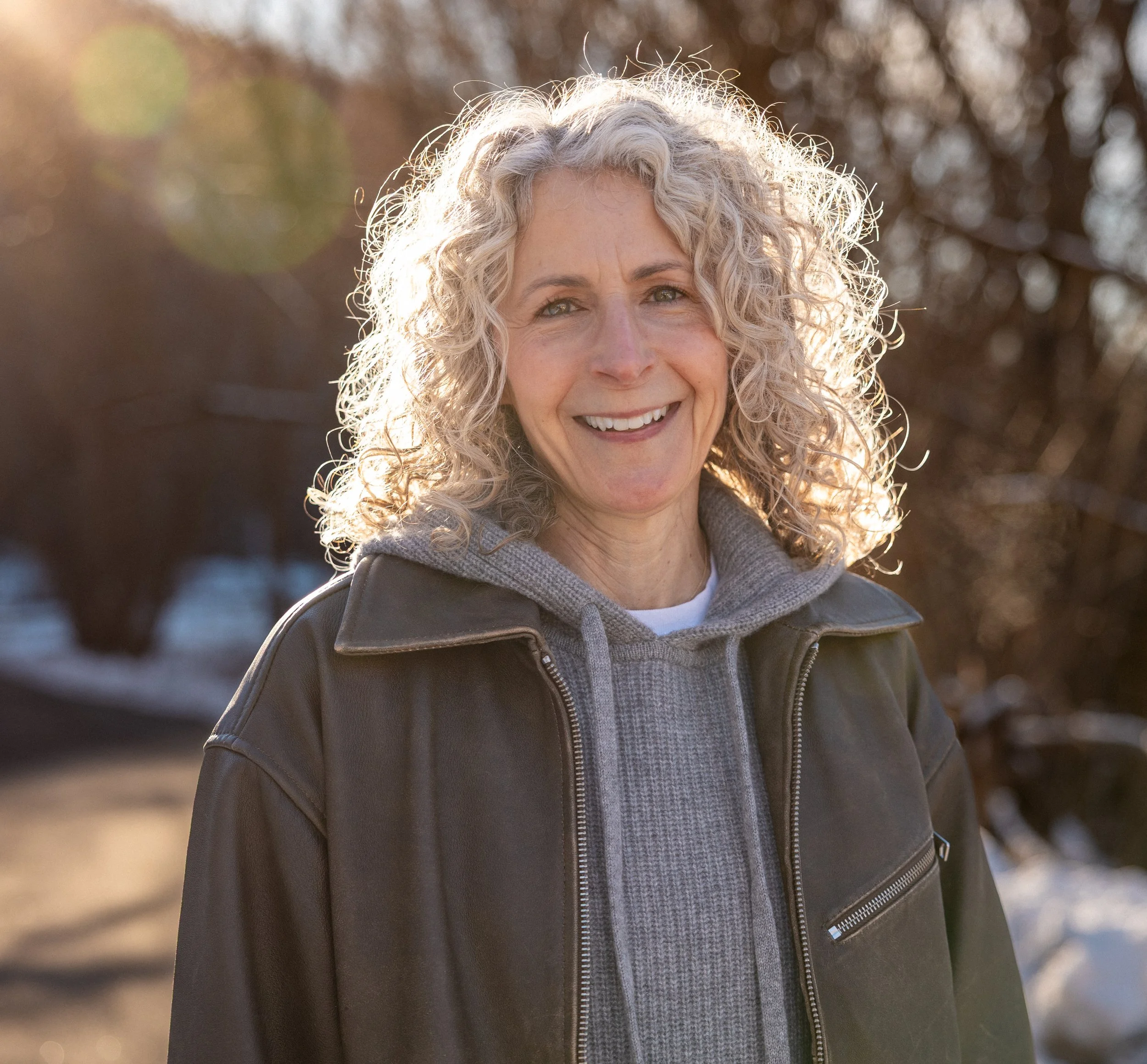
I'm kinder to my body now. I respect her more and feel grateful for all the ways I'm physically capable. Sometimes, I miss my period- never thought I'd say that! And a little bit, I miss the idea of being pregnant. I enjoyed having babies. The vibrancy of creating life. I love being the age I am now. I'm trying to see myself as relevant and sensual in my aging human body. My purpose is to live fully. To show up more completely than ever before. I've been living into this more and more over the past decade. I'll be 60 in two weeks. That feels impossible and completely normal at the same time. I love the work I do with women. I love spending time with my children. My husband and I are actively reviving our romance and connection. I feel strong and resilient after a decade of financial stress and instablility. I know myself more deeply than ever before. I'm committed to continuing to learn who I am and redefining what's next for me.
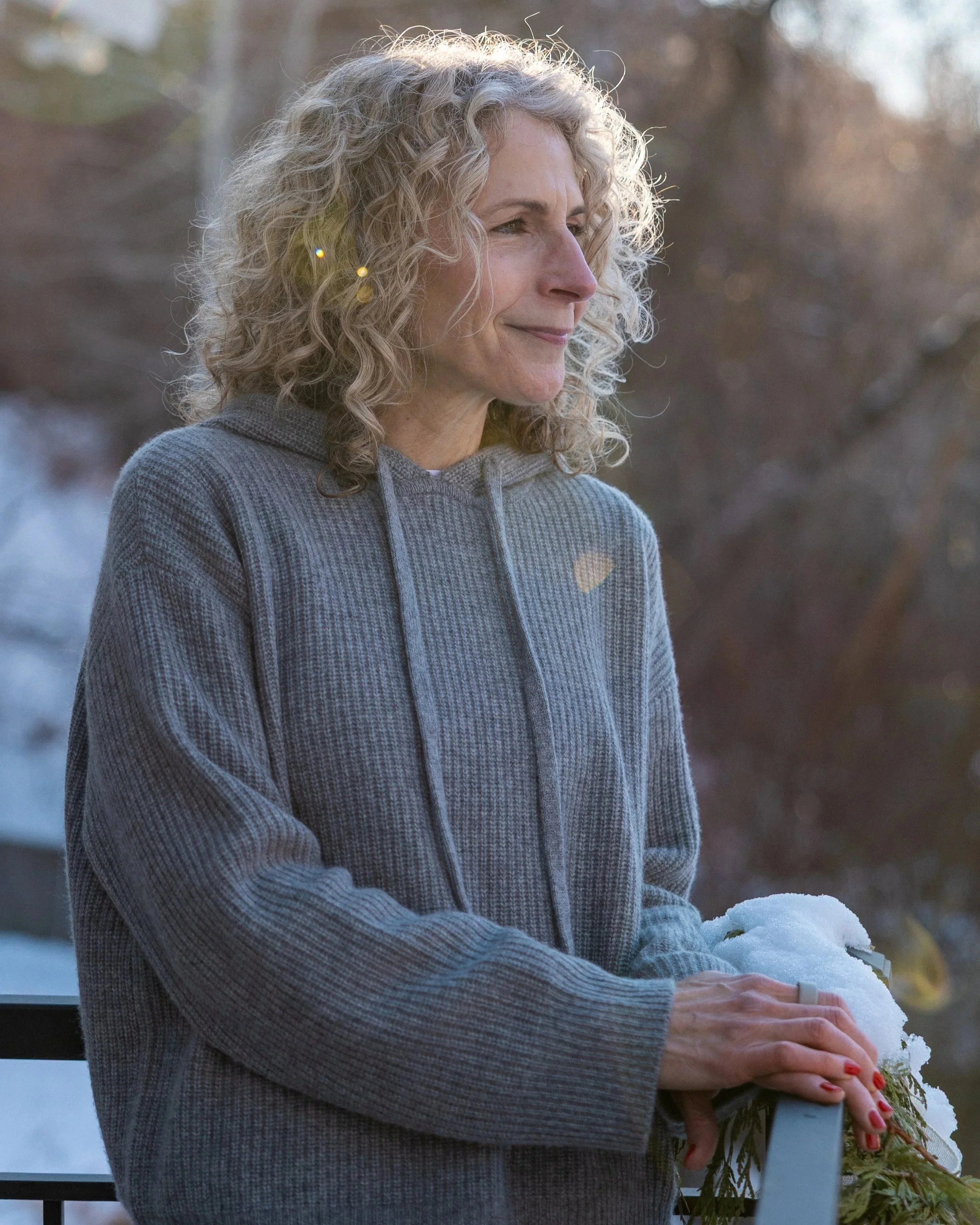
Each stage of being a woman is incredible.
If you are a mother, how has this phase affected your experience of motherhood—whether you’re raising young children, teens, or adult kids?
My patience was tapped out in perimenopause. I was a mess. Some of it was the result of stressful circumstances in our family and much of it was hormone changes. I was not the mom I wish I could have been. Often short-tempered and impatient. Often not as present as I wish I'd been. And I'm so thankful to have a wonderful, healthy relationship with each of my children. We have all done the work to heal a lot of past trauma and we've come out stronger, more honest and connected.
What role does movement or exercise play in managing your symptoms or overall well-being?
I've exercised consistently for over forty years. Early in each pregnancy, morning sickness kept me from working out regularly but aside from that, working out is very much a part of my routine. I do yoga and lift weights. Occasionally, I run a bit... 2-3 miles max. ;-) Walking in nature helped ground me and clear my head when life and hormones felt heavy. I added pilates about 5 years ago.
Have you made any changes to your diet or nutrition that have helped you feel better?
Think about shifts like reducing caffeine, alcohol, or adding whole foods.
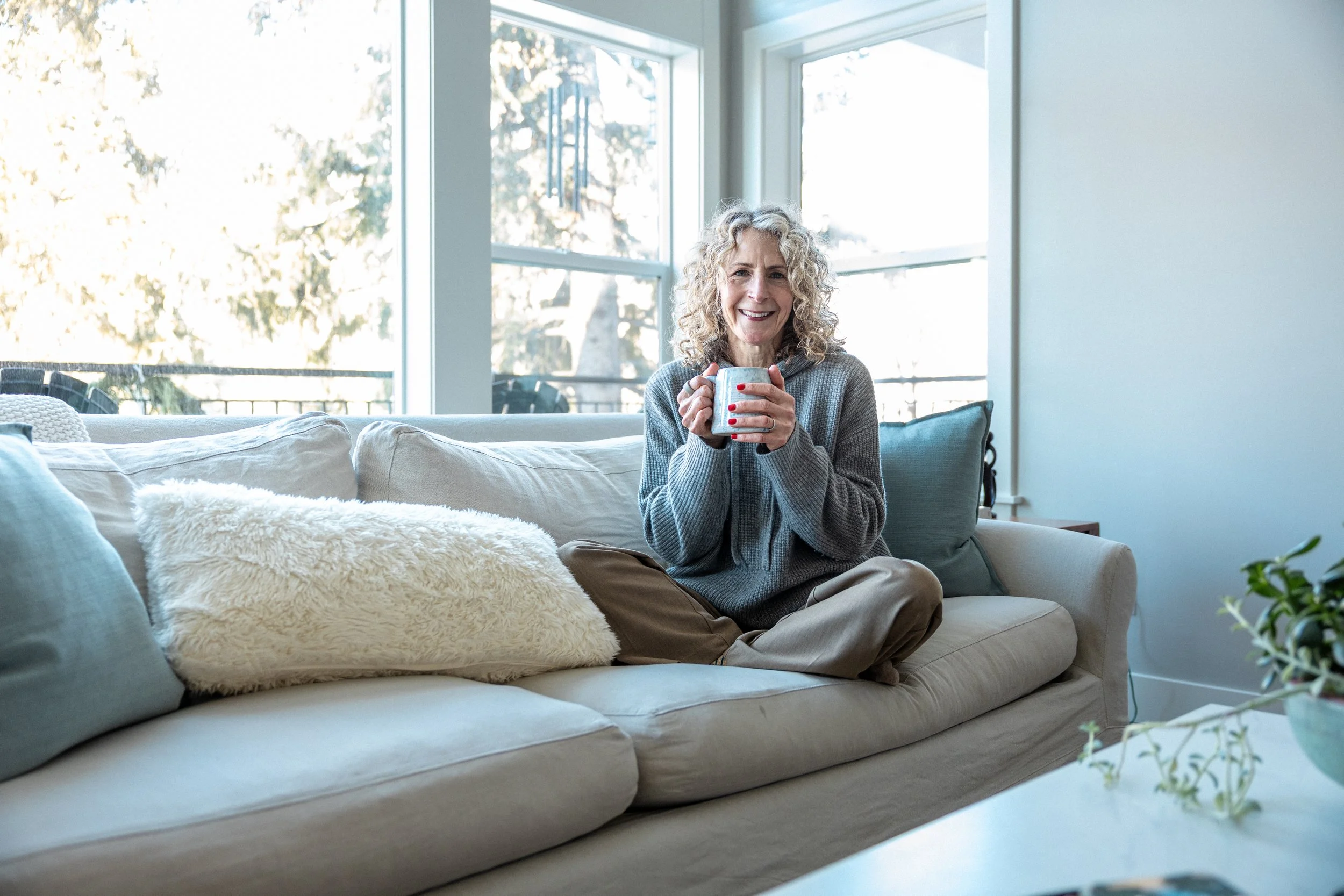
I made some initial changes at the suggestion of that first functional medicine doctor. I switched to plant milk, started my day with fruit only, and my lunch and dinner plates were at least 3/4 salad/vegetables. I was vegetarian for a couple of years and vegan for a year. I now eat a bit of everything though I still prefer mainly vegetables. I recently gave up alcohol because I didn't like how it was affecting my sleep. I also gave up caffeine and now drink a cacao, maya nut, and mushroom mix with almond and cow's milk. I feel better without caffeine and alcohol in my diet.
What has been the hardest or most surprising part of this transition so far?
Moving twice in the past 12 years was tough from a friendship standpoint. I miss seeing friends in person. I haven't been good about trying to build new friendships. I feel better when I'm part of a thoughtful community. I think the toughest part of the menopause transition was that HRT was still fairly alternative and not yet widely accepted as safe. I think that's changing and women are being offered alternatives sooner so that they don't have to feel lousy before they get help. None of my friends were using hormone replacement therapy so I couldn't really talk about it with anyone.
What would you tell your younger self to help her prepare for this phase of life?
Definitely see the funtional medicine doctor at the first signs of hormone imbalance and changes. I am so grateful that he started me on HRT well before I was in menopause. I believe this radically affected my experience. My symptoms were not unbearable and didn't span a large amount of time. I would also tell her, to enjoy it all. Even the heavy periods. Each stage of being a woman is incredible.